
Test the creative.Scale the winner.

Your next customer isn't searching yet. They're scrolling.

Full-funnel Facebook and Instagram advertising built around creative testing, precise audience targeting, and conversion optimization for measurable growth.

Creative testing frameworksPixel & Conversions API setupFeed, Stories and Reels30+ specialists and experts in the field
See how we work
1 · Create: strategy, copy and design turn one goal into three ideas: an image, a carousel and a short reel.
Illustrative example: fictional brand, sample data, nothing here is a result or a promise. Names are illustrative.
what does meta ads management include
Quick answer

What does Meta Ads management include?

Meta Ads management is the ongoing work of planning, building and optimizing paid campaigns on Facebook and Instagram, from strategy and creative testing to audience targeting, conversion tracking and reporting, so ad spend is judged by leads and sales rather than reach alone.

Rubiera Productions covers the full funnel: campaign strategy, a creative testing framework, Pixel and Conversions API setup, retargeting and lookalike audiences, and ROAS-driven optimization.

  • Creative is tested against creative, so the winner is chosen by results, not opinions.
  • Tracking is set up so campaigns can optimize on real outcomes such as leads and purchases.
  • Budget follows what works, and results are reported in plain language.
2Platforms: Facebook + Instagram
Full-funnelStrategy scope
TestedCreative, not guessed
1Dedicated Success Manager

Tell us your goals and get a tailored plan, with a Dedicated Success Manager as your one point of contact.

Why paid social

Search finds people who are looking. Social finds the ones who aren't yet.

On Google, a person types what they want and your ad answers. On Facebook and Instagram nobody typed anything: people are catching up with friends, watching short videos, scrolling. An ad there has to earn a moment of attention, so the creative does the job a keyword does on search.

  • It reaches people before they start searching, so it can introduce your business and not only capture existing demand.
  • Audiences built from your own visitors and customers let you follow up with people who already showed interest.
  • Which image, hook and video earns the pause is something you test, not something you guess.

Our reasoning about how the platforms work, not a statistic.

Three friends laughing together while looking at a phone
SponsoredSomething worth stopping forShop the summer edit
People scroll, react and share. That's the moment an ad has to earn.
On search · intent
polarized sunglasses
Sponsored · aurelstudio.example
Polarized Sunglasses | Aurel Studio

Free returns. New styles in.

shadesguide.example › guides
The best sunglasses for summer, compared

Our testers rank fit, lens quality and weight.

stylethreads.example › threads
Are polarized lenses worth it?

Readers share what worked on sunny days.

They asked. Your ad is the answer to a question already in their head.

On Facebook and Instagram · discovery
Aurel StudioSponsored
The summer editShop now ›

They scrolled. Your ad has to earn the pause, and the creative is what earns it.

Where your ads appear

One idea, three ways to be seen.

Facebook and Instagram both run ads in Feed, Stories and Reels. Each has its own shape and pace, so we adapt the idea for each placement instead of stretching one file across all of them.

Shop now
4:5 or 1:1

Feed

The scroll-and-stop placement. Image, carousel or video, with room for a headline, a caption and a button.

  • Image
  • Carousel
  • Short video
Sponsored
︿Shop now
9:16

Stories

Full-screen and vertical, seen in a moment and tapped through. Clear framing and a single message.

  • Vertical image
  • Vertical video
Reels
SponsoredShop now
9:16

Reels

Short vertical video between other videos. The first seconds decide whether anyone stays, so the hook gets tested first.

  • Short video
  • Creator-style
What every account includes

Five things built into every account.

Not add-ons, the baseline. Each is shown the way it looks in practice, using a fictional example brand and sample data.

Full-funnel campaign strategy

Every stage of the journey gets its own campaign

A full-funnel strategy plans for people who have never heard of you, people who have looked, and people ready to act, each with its own message and its own measure of success. Nobody is asked to buy on first sight, and nobody who is ready is kept waiting.

full-funnel plansample · illustrative
1AwarenessPeople who don't know you yet
Reels · video · imageGoal: attention and reach
2ConsiderationPeople who watched, clicked or visited
Carousel · product storyGoal: site visits, engagement
3ConversionPeople ready to act
Offer · reminder · catalogGoal: leads, purchases
Anyone who visits but doesn't act moves into retargeting
Creative testing frameworks

Creative tested against creative, one change at a time

A testing framework runs several creative ideas against each other with the same audience and budget, so the winner is decided by results, not opinions. We change one thing at a time (the hook, the format or the offer) so we know why something won. Smaller budgets test fewer ideas at once.

creative testing matrixsample data · illustrative
ImageCarouselVideo
Problem first414862
Show the product574488winner
Lead with the offer355166
Sample result index, higher is better. Same audience, same budget.Next round: three new hooks on the winning format
Pixel & Conversions API setup

Tracking set up before spend scales

Pixel and Conversions API setup means the actions that matter on your site, such as a lead or a purchase, are reported back to Meta from the browser and from your server, so campaigns can optimize on real outcomes. We check each event fires correctly, and only once, before budget is scaled.

tracking, end to endwhat gets checked
Ad
Ad click
Your site
Lead form
Purchase
Two ways
Pixelfrom the browser
Conversions APIfrom your server
Meta
Events Managermatched, counted once
Ads Manageroptimizes on it
Checked before scalingEach event fires onceBrowser and server events matchedVisible in Events ManagerThe right event chosen to optimize for
Retargeting & lookalikes

Bring back the interested. Find more like your best.

Retargeting shows ads to people who already visited your site, watched your video or engaged with your pages. Lookalike-style audiences start from your best customers or leads and find new people who resemble them. New audiences are built with precise interest, location and age targeting, and existing customers are kept out of acquisition ads.

audiences & messagesexample
Your own signals
Site visitorsVideo viewersCustomer list
Retargeting
SponsoredStill interested? Pick up where you left off.
Lookalike-style
SponsoredMeet Aurel. The summer edit is here.
ExclusionPeople who already bought skip the acquisition ads
ROAS-driven optimization

Budget follows the return, reviewed and reported in plain language

Optimization is driven by return on ad spend: ROAS is the revenue an ad set brings in divided by what it cost. We review it ad set by ad set, move budget toward what earns it, and refresh what stalls. Whether a given ROAS is good depends on your margins, so we read it next to what a sale or a lead is worth to you.

review · ROAS = revenue ÷ ad spendsample data · illustrative
Ad setSpendROASAction
Retargeting · site visitors$2204.4×Hold
Lookalike · customers$4103.1×Scale
Interests · broad$3701.2×Refresh
  • MonRead results by creative and by audience
  • TuePaused ads that spent with no conversions
  • WedMoved budget toward the winner
  • ThuLaunched two new variations of it
Plain-language summary · sampleFollow-up ads to past visitors returned the most per dollar; new-audience ads were the weakest. We moved budget toward the first and started a fresh creative round for the second.
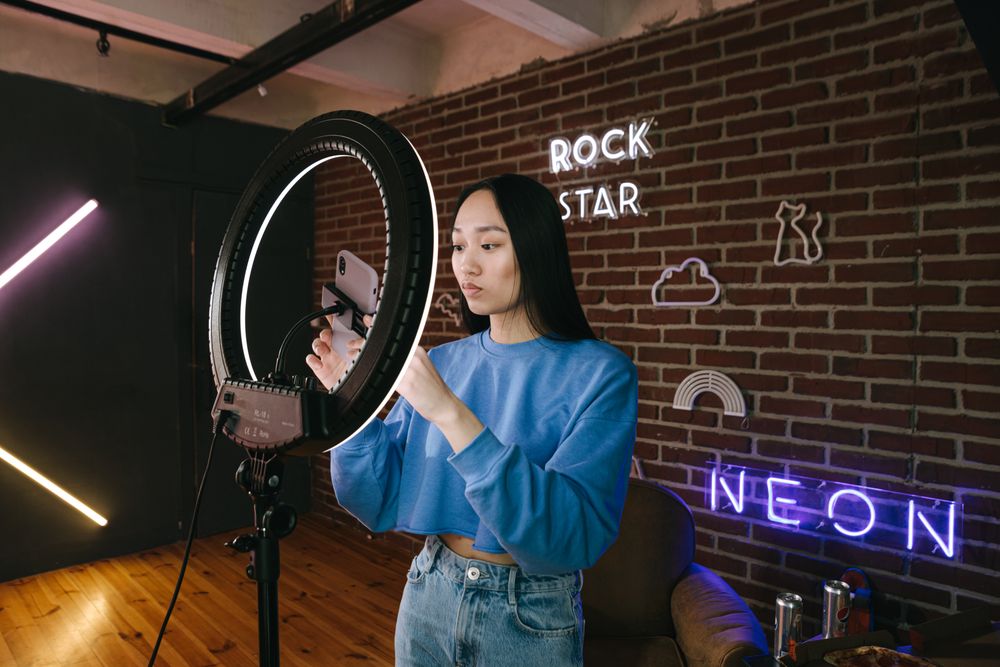
A creator filming a short video on a phone held in a ring light, in a studio with a neon sign
How we run it

Creative is a routine, not a launch-day event.

Creative tested against creativeTracking checked before budget scalesLosers paused, winners scaledNew variations every round
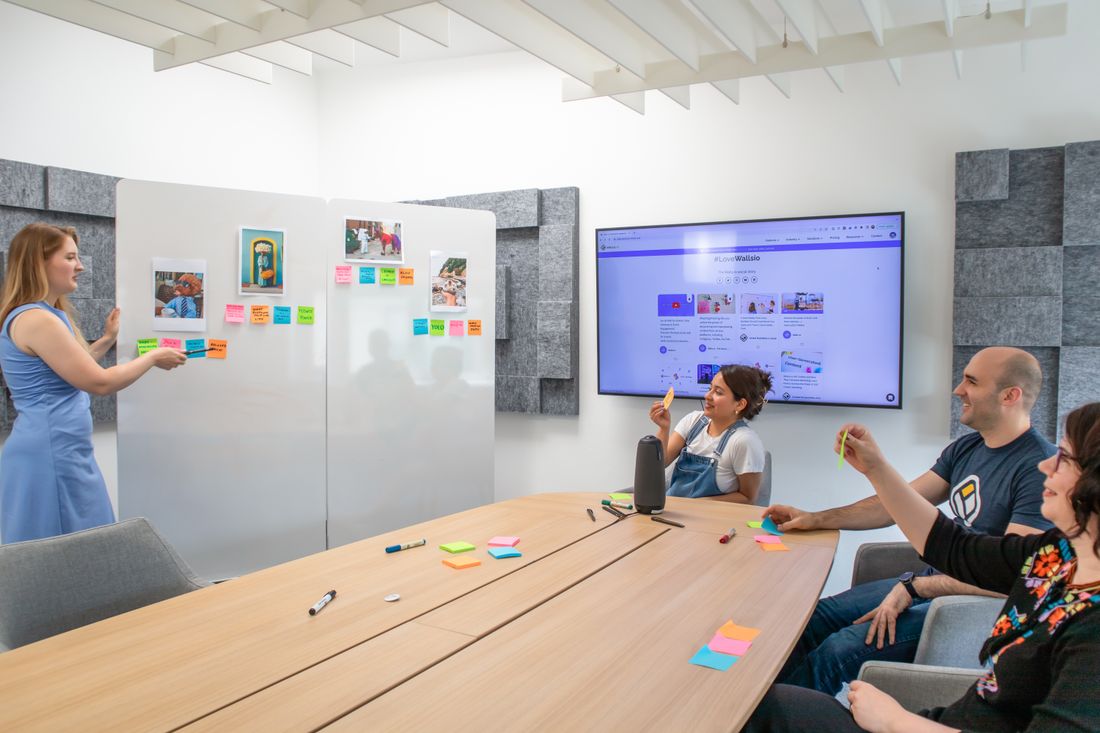
A team gathered around a whiteboard covered in sticky notes during a planning session
Strategy first, before anything is built
The team behind the ads

Strategy prepared. Creative produced. By people who do this every day.

Your campaign is not run by one person with a dashboard. It has 30+ specialists and experts in the field behind it, and four roles work on every account.

Ana · Strategy

Turns your goal into a campaign plan, audiences and a test roadmap.

Leo · Copy

Writes the hooks, headlines and captions each variation tests.

Maya · Design

Designs images, carousels and short-form video for each placement.

Sam · Data

Sets up tracking, reads results and recommends what to scale.

Names are illustrative. Roles are real: one person per discipline on every account.

Our approach

Run in content sprints: brief, make, test, read, scale.

Setup happens once. After that the account runs in short creative cycles, and each cycle starts from what the last one taught us.

Once, before the first sprint
Goal & account auditPixel & Conversions APIStrategy & first briefs
Sprint length is scoped with you. Meta's delivery system needs time to learn after a launch or a big edit, so the first weeks are calibration, not a final verdict, and we don't promise a timeline for results.
Meta Ads vs. Google Ads

Different jobs. Most businesses end up needing both.

Neither is better. They meet people at different moments, so they do different work.

Meta Ads · Facebook & InstagramGoogle Ads
When people meet your ad
While scrolling or watching. They weren't looking for you.
While searching. They typed what they want.
What does the heavy lifting
The creative: image, hook and video.
Keywords, ad copy and the landing page.
Strong at
Introducing a business, visual products, following up with visitors.
Capturing people who are ready to act now.
Watch out for
Creative fatigue: it needs a steady supply of fresh ideas.
Demand is capped by how many people search for what you sell.

How they work together

Meta introduces you to people who weren't searching. Some visit your site. Later, some of them search for you by name, and Google Ads is there to meet them. Retargeting on Meta then follows up with anyone who visited and didn't act.

  • Nobody searches for what you sell yet? Start with Meta to create the first attention.
  • People already search and you need calls this month? Google usually gets there first.
  • Both? Run them with shared tracking, so one report shows how they feed each other.

Our view, based on how the two platforms work, not a promise of results.

See Google Ads →
Where do you fit?

What's your goal?

Pick the closest one to see how a plan could start. Every account is scoped in a strategy call, so this is a starting point, not a quote.

Get more leads and enquiries

Facebook and Instagram can introduce your business to people who were not searching, then follow up with the ones who show interest. Ads lead to a page or an in-app form built to capture the lead.

Creative to test
  • Offer-led images
  • Short video that explains the service
  • Different hooks on the same offer
Audiences
  • New people by interest and location
  • Lookalike-style audiences from your leads
  • Retargeting of site visitors
What we measure
  • Lead events (Pixel + Conversions API)
  • Cost per lead
  • Lead quality, not only volume
Set up firstTracking + a page or form that converts
Illustrative planScoped in your strategy call
Need a landing page built for it? See Web Development →
Common questions

Frequently asked questions

Straight answers, the same ones we give on a first call.

We plan, build and continuously optimize your Facebook and Instagram advertising: campaign strategy, creative testing, audience targeting, Pixel and Conversions API setup, retargeting and lookalike audiences, and optimization toward leads or sales, with results reported in plain language so you can see what changed and why.

There is no universal number, and we do not quote benchmarks because they change with industry, offer, audience and season. Ad spend and management fees are separate. A good starting point is what a lead or a customer is worth to you, plus enough budget to test more than one creative idea, since each idea needs enough results to be compared fairly. Smaller budgets simply test fewer ideas at a time. We size both in a strategy call.

Usually both, and they are managed together. Ads can run on Facebook and Instagram, in Feed, Stories and Reels. Where to focus depends on where your customers spend their time and on what your creative looks like: vertical video suits Stories and Reels, while images and carousels suit Feed. We review results by placement and move budget toward what works, rather than assuming.

Ads can begin delivering once they are approved, but working means having enough results to compare creative and audiences, and Meta's delivery system needs time to learn after a launch or a large edit. We treat the first weeks as testing and calibration, not a final verdict, and we do not promise a timeline for results.

No. Creative is the biggest lever in paid social, so producing and testing it is part of the work: hooks, copy, images, carousels and short video, made for each placement. If you already have photos, video or product shots, we build on them. What we produce for your account is scoped in the strategy call.

We set up the Meta Pixel and Conversions API so leads, purchases and other key actions are reported back from your website (browser) and from your server, and we check they fire correctly and are counted once. Reports are plain language, tied to leads, sales and ROAS. No tracking is perfect: privacy settings and consent choices mean some conversions cannot be seen, so we read results across several signals rather than one number.

They do different jobs. Google Ads meets people who are searching for what you sell right now; Meta Ads reaches people who were not searching yet, and uses creative to earn their attention. If nobody searches for your offer yet, Meta is often the better first step; if demand already exists, Google usually captures it first. Many businesses run both. See Google Ads →

You need a page that matches what the ad promised, and that loads fast on a phone, because most Facebook and Instagram traffic is mobile. A generic homepage wastes much of the click. If a new page is needed, our Web Development team can build it.

Yes. We start with an audit of the existing account: what is spending, whether tracking fires correctly, which creative and audiences have data behind them. Then we restructure what is there or start clean, and you see exactly what changed and why.
Get started

Ready to grow with Meta Ads?

Tell us your goals and get a tailored plan, with a Dedicated Success Manager as your one point of contact.

Prefer to talk? Call (786) 744-5342.

Talk to an expert

Your information is secure. A specialist will get back to you with a clear next step.

Facebook, Instagram and Meta are trademarks of Meta Platforms, Inc. Rubiera Productions is not affiliated with or endorsed by Meta.